

Catheters
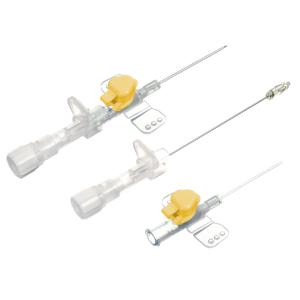
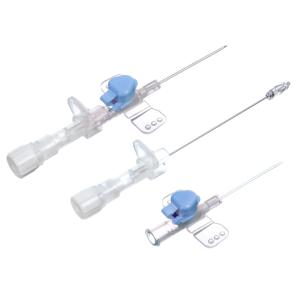
KRUUSE IV Catheters are thoughtfully designed with sharp needles and long bevels to minimise pain and discomfort during placement. Blood is visible via transparent flash-back chambers to ensure correct placement.

InfuVein
PRO IV
- ✔ Kink-resistant polyurethane tubing
- ✔ Softens at body temperature
- ✔ Coloured cap for easy administration of medication
- ✔ 10 ml syringe ensures optimal catheter resistance; versatile for fluid therapy

Venocan PLUS IV
- ✔FEP tubing material
- ✔ Small, flexible wings for increased patient comfort
- ✔ Thin-walled catheter for excellent flow
- ✔ Available in the popular size 26G for small species including reptiles and birds

Venocan
Mini IV
- ✔ FEP tubing material
- ✔ Flexible wings for a good grip during catheterisation
- ✔ Thin-walled catheter with large inner diameter for optimal flow

Venocan Pencil Style IV
- ✔ FEP tubing material for flexibility
- ✔ Popular and simple pencil style IV catheter
- ✔ Without wings and injection port
- ✔ Thin-walled catheter with large inner diameter for good flow
Catheter placement
The most common IV catheter placement in small animals is in the cephalic vein located on the dorsal foreleg. Vena saphena lateralis on the hind leg or vena jugularis are also options, but less common for ordinary IV catheter placement.
Catheter size should be based on the type and size of patient and treatment. If you are dealing with a shock patient, choose the largest catheter possible.
The larger the catheter diameter, the faster fluid inflow. Another general guideline is; that shorter catheters provide faster inflow. When not dealing with shock patients or severely dehydrated patients, choose a catheter size with space between the catheter and the vein wall, which will reduce the risk of phlebitis.

Popular products




Infusion & transfusion catalogue
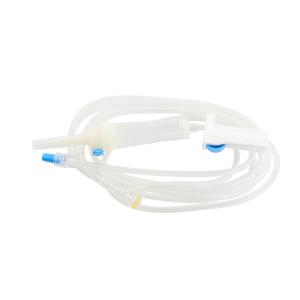
To perform best practice, you need the right tools. KRUUSE infusion products are designed to provide easy venous access while minimising pain and discomfort for the patient.


